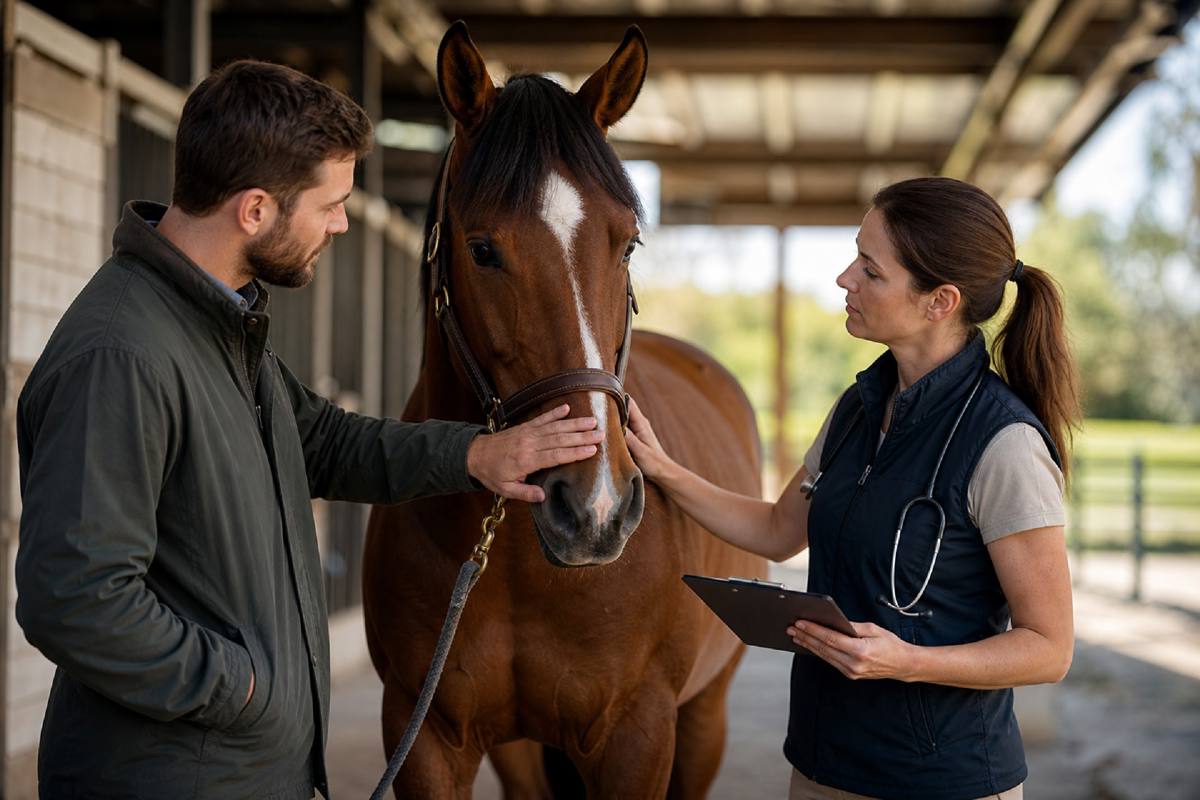
Buying a horse is one of the most significant decisions an equestrian can make. Unlike purchasing a car or a piece of equipment, a horse is a living partner whose temperament, soundness, and history will shape every ride for years to come. Approaching the process with a structured plan saves you time, money, and heartbreak.


Step 1: Define Your Goals First
Before browsing listings, write down exactly what you need. Be honest about your current skill level, the discipline you plan to pursue, how many days per week you'll ride, and your realistic budget — including ongoing costs like board, feed, farrier, and vet care. A horse that is perfect for a seasoned amateur may be completely wrong for a returning beginner.
Step 2: The First Call
When you contact a seller, ask open-ended questions. Why is the horse being sold? What is its competition record? Has it had any significant injuries or colic episodes? How does it behave at the farrier, in traffic, and when being trailered? Listen carefully — both to what is said and to what is avoided.
Step 3: The First Ride
Watch the seller ride the horse first. Observe how it behaves during tacking up, mounting, and the first few minutes of work. Then ride it yourself in the same conditions. Notice how the horse responds to pressure, whether it feels tense or relaxed, and whether it matches the description you were given.
Step 4: The Pre-Purchase Exam
Never skip a veterinary pre-purchase exam (PPE). Choose a vet who is independent of the seller. A basic PPE covers a physical examination, flexion tests, and hoof tester response. For a high-value purchase or a horse intended for competition, add radiographs of the feet and hocks, and consider scoping the upper airway and performing a lameness exam on hard and soft footing.
A pre-purchase exam is not a guarantee of future soundness — it is a snapshot of the horse's condition on that day. Your vet's job is to give you information, not to tell you whether to buy.
Step 5: Trial Periods
If the seller agrees, a one- to two-week trial at your home barn is invaluable. It lets you observe how the horse settles into a new environment, how it gets along with other horses, and whether any behavioral quirks emerge that were not visible in a single visit.
Final Thoughts
Patience is your greatest asset. The right horse is worth waiting for. If something feels off at any stage of the process, trust that instinct — there will always be another listing.
Support this writer
If this article helped you, leave a one-time tip.


