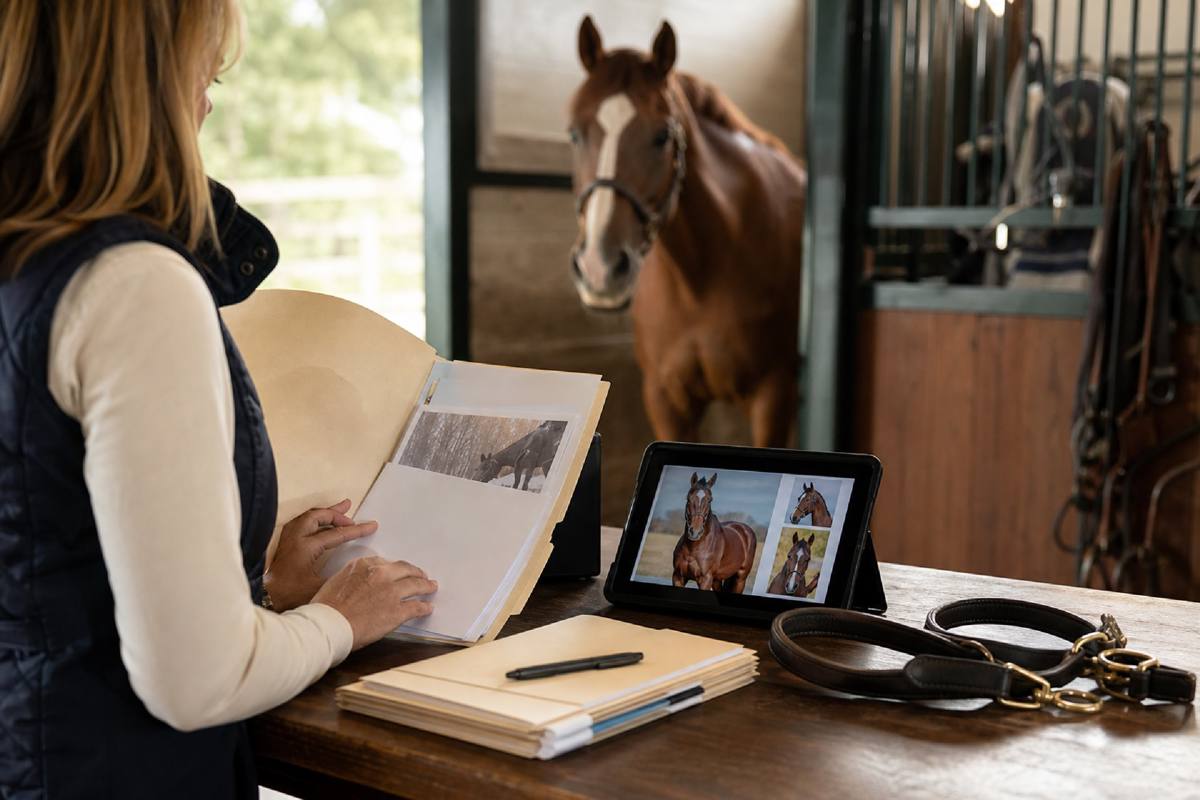
The fastest horse sales are rarely lucky. They are prepared. Sellers who build a complete package before listing attract better-fit buyers, reduce back-and-forth, and avoid late-stage surprises that kill trust. Use this checklist before you publish your ad.


1) Horse profile package
- Verified age, breed, registration details, and ownership status.
- Current photos and videos that match present condition, not old campaign footage.
- Clear training summary: what the horse does reliably today, not what it might do later.
- Known management needs (turnout routine, shoeing cycle, feed preferences, handling notes).
2) Medical and maintenance file
- Vaccination, deworming, dental, and farrier timelines up to date.
- Recent veterinary history organized by date and outcome.
- Any prior lameness, colic, ulcers, or injury events documented with context.
- If applicable, recent imaging available for qualified buyers and vets.
3) Listing media standards
Prepare one conformation set, one movement sequence, and one practical handling sequence. Buyers need to see the horse in normal work, not only highlight moments. Include tack-up, mounting, and transitions to reduce uncertainty.
4) Pricing and negotiation guardrails
- Set asking price from current comparables and your horse's documented strengths.
- Decide in advance what terms are flexible (price, PPE window, holding deposit, pickup timing).
- Define your non-negotiables before inquiries arrive.
5) Buyer qualification workflow
- Collect discipline goals, rider level, timeline, and intended budget range.
- Send a standard information packet so every buyer gets consistent details.
- Require serious-buyer signals before scheduling in-person visits (trainer involvement, financing readiness, travel intent).
6) Transaction readiness
Have your preferred pre-purchase and purchase document templates ready, know your accepted payment methods, and define release conditions in writing. A prepared close is a safer close.
Readiness is not paperwork for paperwork's sake. It is risk reduction for both sides.
Support this writer
If this article helped you, leave a one-time tip.


